|
|
|
Abstract
The COVID-19 pandemic created an environment where rapidly changing policy
interventions and heightened uncertainty substantially influenced individual behavioural responses. This study investigates the relationship between government mobility restrictions and public adherence in Bosnia and Herzegovina, Croatia, Serbia and
Slovenia using mobility data and policy stringency indices. Focusing on the timeseries properties of behavioural adjustment, we evaluate whether individual responses
converge towards policy objectives over time. In Croatia, Bosnia and Herzegovina,
and Slovenia, individuals initially exhibited stronger mobility reductions than implied
by policy measures, consistent with temporary behavioural overreaction and heightened short-run risk sensitivity. In Serbia, behavioural responses initially remained
below the level implied by policy restrictions, suggesting delayed behavioural adjustment and limited initial responsiveness to policy signals. More broadly, the findings
indicate that behavioural responses to pandemic policy are dynamic, shaped by
uncertainty and behavioural inertia, and sensitive to the frequency and complexity of
policy changes.
Keywords: policy effectiveness and uncertainty; COVID-19; individual risk behaviour
JEL: C22, E70, H75, I12, I18
1 Introduction
According to Mathieu et al. ( 2020), as of 15 September 2024, North Macedonia, Bosnia and Herzegovina, Croatia, Slovenia and Montenegro were among the nine countries with the highest total confirmed COVID-19 deaths per 100,000 people globally. Among the former Yugoslavian countries, only Serbia and Kosovo were outliers, ranking 40th and 68th, respectively. 2020), as of 15 September 2024, North Macedonia, Bosnia and Herzegovina, Croatia, Slovenia and Montenegro were among the nine countries with the highest total confirmed COVID-19 deaths per 100,000 people globally. Among the former Yugoslavian countries, only Serbia and Kosovo were outliers, ranking 40th and 68th, respectively.
Given the high COVID-19 death toll in these countries, along with neighbouring Bulgaria, it is important to investigate the underlying health system weaknesses, social factors, and policy responses that may have contributed to these outcomes. Analysing these elements can also offer valuable insights for other policy areas – such as economic, social, and environmental policies – by highlighting systemic issues that affect broader aspects of governance and policy effectiveness.
Potter and Harries ( 2006) suggest that the “determinants of policy effectiveness” for health policy models require that public administration systems include diverse social, cultural, and economic motivators to encourage the desired behaviour – or “adherence” – to policy measures. The COVID-19 pandemic represents a rare opportunity to empirically analyse adherence behaviour during a rapidly changing crisis and corresponding responses to policies intended to minimise infection rates and protect public health. The literature on the COVID-19 pandemic spans three primary analytical domains: policy efficacy, policy determinants, and public adherence to policy measures. The first group of papers evaluates how non-pharmaceutical interventions (stringency measures), such as stay-at-home policies, lockdowns, and school closures, directly impacted infection rates and mortality (Hsiang et al., 2020; Walker et al., 2020; Fuller et al., 2021; Chen, Li and Wu, 2022).
In parallel, a second group of researchers investigates the political and economic motivations that led governments to adopt specific rules. These studies often find that a country’s response was less a reflection of viral load and more a result of economic constraints, human capital, and/or political preferences (Capano et al., 2020; Desson et al., 2020; Chen et al., 2021; Jalloh et al., 2022; Toshkov, Carroll and Yesilkagit, 2022; Kuo and Wen, 2023; Sonora, 2023).
The third category focuses on public adherence and behavioural moderation, acknowledging that government mandates only work if people follow them. By analysing how factors like communication strategies, risk perception, institutional trust and socio-economic status influence compliance, this research explains how human agency serves as a critical moderator between a written policy and its actual success in the real world (Bargain and Aminjonov, 2020; Cairney and Wellstead, 2020; Berry et al., 2021; Pagliaro et al., 2021; Berg-Beckhoff et al., 2022; Tu, Chen and Mesler, 2023; Luciano, Crova and Canella, 2023 and Brunekreef et al., 2025).
A related strand of the literature integrates multiple dimensions of pandemic policy analysis within a single empirical framework, including the interaction between policy determinants and behavioural compliance (Waterschoot et al., 2023; Agyapon-Ntra and McSharry, 2023), policy formation and policy effectiveness(Cross, Ng and Scuffham, 2020; Herreros and Svendsen, 2024), and policy effectiveness and public adherence (Dave et al., 2021).
In the context of this study, adherence refers specifically to mobility-related behavioural responses captured through aggregate movement data, rather than other forms of pandemic compliance, such as masking or vaccinations. Because adherence to public health policy is dynamic and behaviourally mediated, static and panel-based empirical frameworks may obscure important temporal variation in residents’ responses to government restrictions by averaging away behavioural adjustment within individual countries over time. We therefore employ a high-frequency time-series approach to capture the evolving relationship between policy stringency and mobility within individual nations. This framework enables us to analyse whether deviations from policy prescriptions represent gradual convergence towards policy objectives or short-run behavioural responses to uncertainty and perceived utility costs. Behavioural responses may also exhibit inertia, whereby individuals adjust only gradually to changing restrictions and information environments, generating persistent deviations between observed behaviour and policy objectives over time. More generally, these dynamics may be consistent with behavioural mechanisms, such as those associated with myopic loss aversion, policy fatigue, and rational inattention.
Following the work of Agyapon-Ntra and McSharry ( 2023), Luciano, Crova and Canella ( 2023) and Waterschoot et al. ( 2023), who utilised a wide range of control variables (such as GDP, literacy, and corruption), we employ structural break analysis to capture the mediating effects of diverse cultural and religious settings on adherence levels across the analysed countries.
In addition to these behavioural considerations, the empirical application of our model focuses on a strategic subset of South-Eastern European countries (Croatia, Bosnia and Herzegovina, Slovenia and Serbia), characterized by weak yet heterogeneous cultural and institutional frameworks and significantly varied levels of public trust in government. This specific institutional context provides a useful setting for testing behavioural aspects of coherence, as it allows us to examine how varying cross-countries heterogeneities moderate the relationship between official mandates and actual compliance. Focusing on this regional context, we examine whether different environments help contextualise persistent deviations from policy adherence and whether behavioural responses differ systematically across institutional settings. More broadly, these dynamics may be consistent with a wide range of behavioural mechanisms identified in behavioural economics, such as attention and inertia.
At its core, the decision to remain at home during the pandemic reflects both behavioural responses to mobility restrictions intended to reduce viral transmission and unobserved idiosyncratic individual choice. During the pandemic, individual countries implemented mobility stringency policies to prevent the spread of COVID-19 among their population. The relationship between government stringency and public health outcomes is not direct, but instead depends critically on public adherence to policy measures. More precisely, it is moderated by “resident adherence” – the degree to which citizens follow those rules, which is a function of cultural norms.
Google’s cell phone data allows us to track aggregate resident mobility and identify patterns of behavioural change: mobility should decrease as stringency increases (if policy is effective), and differences in preferences across the countries should lead to idiosyncratic responses to policy recommendations. Accordingly, our measure of behavioural adherence is limited to mobility-related responses to policy restrictions rather than broader dimensions of public health compliance. We study the properties of unobserved individual behaviour (adherence) using the estimated residuals from a model of individual mobility, which is conditional on policy restrictions and the level of adherence in each country in the sample. The estimated residual represents the unobserved mobility preferences of individuals and is an indicator of how closely individual and policymaker preferences align.
We are also interested in the time series properties of this estimated behavioural residual. Persistent deviations from official policy guidance therefore reflect divergence between government objectives and observed public behaviour. Residual deviations from expected mobility behaviour may reflect changing risk perceptions, behavioural inertia, and periods of under- or over-compliance relative to official policy guidance. We evaluate whether behavioural residuals gradually converge towards policy objectives and the time required for such adjustment. Mean reversion theory suggests that regret, fear, or risk will converge towards a normal behavioural state time over time. This raises the question of whether individual behaviour follows a stochastic process characterised by temporary deviations from, but eventual convergence towards, policy-consistent behaviour.
Using standard, structural break, and rolling unit root tests, we reject a unit root process if individual behaviour eventually converges as prescribed by the policy. Our estimates cannot determine whether individuals are risk-taking or risk-averse, as we only observe changes in risk attitudes relative to policy recommendations. Behavioural adjustment may be interpreted through the lens of a wide range of behavioural economics of attention and inertia theories (Thaler et al., 1997; Berg, Dickhaut and Rietz, 2010; Costa, 2018).
Overall, the analysis suggests that the policy is somewhat effective, as suggested by Hypothesis 1, but behavioural responses are dynamically inconsistent. Our estimates do demonstrate that residents in the short to medium run respond relatively “weakly” to the policy measures intended by health officials, but we find evidence of predicted compliance in the long run. We also find that in the medium run, residents adjust their behaviour further away from policy prescriptions – except for Serbia which exhibits a form of behavioural overshooting. Furthermore, our results suggest policy effectiveness has distinct regime shifts, as in Hypothesis 2, with structural breaks corresponding closely to divergence in religious and school calendars across the region.
Additionally, we find that behavioural inertia as well as shocks in individual preferences prevent both immediate and persistent full-scale adherence – as stated in Hypothesis 3. When individuals are faced with uncertainty regarding the intended or likely outcome of policy measures, observed responses remain anchored to established routines rather than adjusting fully to the new policy signal. The estimated idiosyncratic component may therefore partly reflect the degree to which uncertainty strengthened rather than weakened behavioural inertia, with the pull of prior routines intensifying precisely when the expected benefit of departing from them was unclear. The results nevertheless suggest gradual long-run convergence between resident behaviour and policy objectives.
2 Timeline of the COVID 19-pandemic
Throughout the analysed period, the four countries in our sample experienced five to six major waves of COVID-19 cases (Mathieu et al., 2020). The first cases were reported in March 2020, and the countries in our sample promptly declared states of emergency or pandemic status, implementing restrictive measures. Slovenia and Croatia closed their borders with Italy and shut down all non-essential businesses. Additionally, Croatia imposed restrictions on inter-city travel (Hale, 2021; Lazić, Lazić and Kolarić, 2020). Moreover, all countries banned public gatherings, closed schools, and transitioned to online learning (Hale, 2021). Serbia took more extreme measures, introducing curfews and restricting the movement of adults 65 and over (Uzelac, 2023).
Shortly after the introduction of restrictions, the COVID-19 case curve flattened, leading to the gradual reopening of economies by late spring 2020 (Mathieu et al., 2020). For instance, Slovenia declared victory over the pandemic on 15 May 2020 (Vladisavljević, 2020). Croatia and Serbia soon followed, even holding elections in June and July 2020 (Karlović, 2021; Uzelac, 2023). As a tourism-dependent economy, Croatia relaxed restrictions to salvage the summer tourist season, reopening its borders to tourists, particularly from the EU (Vlada RH, 2020).
The timeline of the second wave of COVID-19 varied among countries, as did the responses of policymakers. Serbia and Bosnia and Herzegovina (hereafter B&H) were the first to experience the second wave, which began in July 2020 (Mathieu et al., 2020; Hale, 2021). In Serbia, this wave prompted the government to reintroduce restrictions, including curfews. These measures triggered large protests in cities such as Belgrade, where thousands demonstrated against the government’s handling of the crisis, the reintroduction of curfews, and the perceived politicization of the pandemic. The protests turned violent, leading to clashes with the police (BBC, 2020).
Conversely, political fragmentation between the two federal units within B&H (the Federation (FBiH) and Republika Srpska (RS)) resulted in inconsistent measures across B&H – the RS imposed stricter curfews, while FBiH was slower to respond. The lack of a coordinated national strategy made it more difficult to control the spread of the virus (Milinković, 2021; Sajić, 2021).
In Slovenia and Croatia, the second resurgent wave occurred in the autumn of 2020, prompting the respective governments to reintroduce restrictions that remained elevated until the spring of 2021. A similar situation unfolded in B&H and Serbia in November and December 2021. Compared to the spring lockdown, the responses of all governments, except for Slovenia, were more moderate (Mathieu et al., 2020; Hale, 2021). In Slovenia, the government reinstated restrictions, including curfews, school closures, and limitations on social gatherings (Ružić Gorenjec et al., 2021).
The vaccine roll-out began in January 2021 in Croatia, Serbia, and Slovenia, while Bosnia and Herzegovina initially struggled to secure the vaccine (Mathieu et al., 2020). Unlike many EU countries, such as Croatia and Slovenia, B&H did not have direct access to the EU’s vaccine procurement program and relied on the global COVAX initiative, which was slow in delivering doses (Fojnica et al., 2021). In contrast, Serbia’s ability to secure a diverse range of vaccination supplies enabled it to inoculate its population rapidly and to offer vaccines to neighbouring countries (Dartford, 2021).
In the spring of 2021, all four countries experienced a surge in the number of cases attributed to the Alpha variant, and all but Bosnia and Herzegovina saw another surge driven by the Delta variant in the autumn of the same year. A significant surge occurred at the beginning of 2022 with the Omicron variant. The final surge took place in the summer of 2022, and was much milder compared to previous waves, except in Serbia, which recorded major increases in the number of cases (Mathieu et al., 2020).
Anti-COVID stringency policies declined throughout 2021 even as cases slowly increased during the spring and autumn waves. Slovenia maintained relatively high stringency levels throughout the year, while B&H showed the smallest variation in stringency. Croatia, due to its reliance on tourism, adopted a more laissez-faire approach starting in the summer months (Hale, 2021). In the summer of 2021, both Croatia and Slovenia introduced EU Digital Green Certificates, which were required for attending events, gatherings, and entering certain workplaces (European Commission, 2021; Healthcare IT News, 2021).
All countries experienced protests and significant political polarisation regarding policy responses. Serbia was the first to face protests in July 2020 due to the extreme level of stringency (BBC, 2020). In Slovenia, protests erupted in the autumn of 2020, with citizens expressing dissatisfaction with the government’s handling of the crisis and restrictions on personal freedoms (Vladisavljević, 2021; Kriesi and Oana, 2023). In B&H, the slow vaccine roll-out and perceived mishandling of the pandemic led to public discontent in spring 2021, prompting protests in major cities where citizens demanded a more effective government response, including faster vaccination and more transparent decision-making (Reuters, 2021). In Croatia, large protests occurred in cities such as Zagreb and Split against the mandatory use of EU Digital Green Certificates for workplaces and events in autumn 2021, reflecting significant public opposition to vaccine mandates and restrictions (Grgurinović, 2021).
3 Policy effectiveness: theoretical background
Given the previous overview of the pandemic policies and responses, we couch the discussion in terms of policy effectiveness, or adherence, and uncertainty. Whether a policy is effective is determined by how closely residents follow the prescribed restriction and requires the designer to understand the preferences of their constituents. Thus, as in Brainard (1967), we can consider policy effectiveness, for any time t, using the following relationshipwhere individual target behaviour is represented by B, P is a vector of policies implemented, and the vector ηt ∼ iid(0, ση2 ) represents other exogenous idiosyncratic factors influencing an individual’s actions, “animal spirits”. 1 Note that P and η are time-dependent, representing that new information may change both policy and individual policy responses. From the household’s perspective Pt ∼ iid(0, σP2). In this simple formulation, β is the residents’ policy response parameter – representing resident preferences – and is known to individuals but unknown to the policymaker, and is the parameter of primary interest in this paper.
If any given policy is ignored β = 0. On the other hand, others may believe the policy is insufficient, in this case |β|>1 which could be understood as residents’ belief that the policy is inadequate to achieve its goals or that the policy does not fully account for risk. Aggregating over all individuals, it is reasonable to assume that the average policy response is given as |β|≤1. In this context, deviations from the prescribed policy are given in η, which reflects individual’s set of preferences, news and information shocks, and animal spirits. Moreover, η represents the individual’s level of understanding of the policy at time t and reflects a lag between the policy announcement and the behavioural adjustment.
From the policymaker’s perspective, policy is effective, regardless of whether it is the correct policy, if residents adopt behaviour required by the policy. The policymaker must design an optimal policy, P*, based on any given policy response, say β̃ to achieve the policy goal, B*,
That is, the preferences of both the residents r and policymaker p are equal:
Policy “confusion”, or uncertainty, is determined by the variability in either policy saliency, contradictory policies, and/or frequent policy revisions. Angelini et al. ( 2023) define their policy function evolving as: | Pt = φPt-1 + (1-φ) P*, |φ| ∈ (0,1) | (3) |
where P* is the policymaker’s optimal response to minimising an economy-health loss function, as estimated in Sonora ( 2023). In this formulation, actual policy responses are staggered over time as the weighted average of previous policy choices, with policy inertia given by φ, and the current optimal policy. Note that as φ → 0, policy converges to the optimal response, reducing uncertainty. Solving this recursively, we get 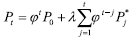 | |
where λ ≡ (1 − φ) is an adaptive expectations adjustment parameter. If we assume that policy is constant P* = P and substitute this into equation (1), after passing through the expectation operator, we have
Now suppose that residents’ adjusted behaviour is dictated by current policy and their own lagged behaviour, or | Bt = βPt + ρBt-1 + ηt,|ρ| ∈ (0,1) | (5) |
The AR portion of this equation represents habit persistence and/or adjustment dynamics as residents update their responses to previous policy decisions. The behavioural adjustment in equation (4) becomes
where  . Note that the relationship between β and βLR is dependent on the sign of ρ; if ρ ∈ (–1,0) then βLR < β. In this case, residents reduce their policy compliance over time, in support of myopic loss aversion. If, however, ρ ∈ (0,1) then residents’ preferences converge to their short-term responses, which is the result of “present bias” (see O’Donoghue and Rabin, 1999), information constraints, and/or rational inattention as a form of “behavioural over-shooting”, e.g. Maćkowiak and Wiederholt ( 2009).
Therefore, we expect that individual behavioural response parameter β will be dynamically inconsistent at different time lags as well as country-specific, as suggested by Hypothesis 1.
Hypothesis 1: Policy effectiveness in terms of alignment between mobility behaviour and policy recommendations is complex, dynamically inconsistent and incomplete in the short to medium run.
This analysis suggests that because E(η)=0 policy makers implicitly disregard idiosyncratic individual behaviour, irrespective of whether they know residents’ true policy and behavioural response parameters. Moreover, these parameters are likely to create behaviour which deviates from policymakers’ intent.
If we relax the assumption that policy is constant and substitute equation (3) into equation (1) and assume E(P, η) ≠ 0 and Pt and Pt* are time variants, and recognise that η is non-constant, the variance of equation (1) is given as, after rearranging to behavioural variance, or policy confusion, as 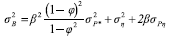 |
|
where σi2 is the variance of variable i and σij is the covariance of variables i and j. We assume Cov(Pt−1,ηt) = 0, which, given the “backward” nature of policy is reasonable, as previous policy is uncorrelated with unforeseen current behavioural shocks. In this formulation, as φ → 0 there is a reduction in policy confusion.As a special case, suppose policy is always optimal, i.e. if Pt* = Pt-1 then Cov( Pt, Pt*) = Cov( Pt, ηt) = 0, and (7) collapses, after rearranging, to find the source of unobservable behavioural variance, to
implying behavioural volatility is purely a function of animal spirits. Put another way, even without policy confusion, there will still be policy ineffectiveness due to idiosyncratic behaviour. Following the same logic, if the behavioural function now includes the AR term, behavioural variance becomes 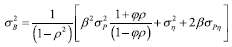 |
|
As before, the policy uncertainty analogue, σB2, to policy effectiveness, β, is dependent on the sign of |ρ| ∈ (0,1). For ρ<0 behavioural uncertainty falls while the opposite is true if ρ>0.
Due to cross-national variation in religious and national settings, we expect that differences in national and religious calendars will have a moderating role in the mean-reverting properties of residuals ηt as suggested by Hypothesis 2.
Hypothesis 2: There is baseline cross-national variance in the rate and extent of compliance and convergence to policy, which is further compounded by localized structural breaks.
Furthermore, if agents’ behaviour gradually adjusts to policy targets, the discrepancy between policy-prescribed outcomes and observed behavioural responses, ηt, should – at least in the long run – exhibit mean-reverting properties. That is, deviations from policymakers’ intended path should be temporary and tend to converge back over time, as suggested by Hypothesis 3.
Hypothesis 3: Behavioural inertia and shocks in individual preferences prevent both immediate and persistent behaviour in an evolving crisis leading to uncertainty about policy effectiveness.
4 Methodology
To test three hypotheses within this theoretical framework, we employ a two-stage empirical strategy. First, we test Hypothesis 1 by noting that individual mobility can be decomposed into observed and unobserved components. Because some consumer behaviour is dictated by policies designed to restrict movements with the goal of minimising risk associated with COVID-19, this component can be estimated. Any behaviour that differs from that which is “dictated” by policy represents individual choice and can be estimated using the following ARDL specification: | MIt = α + ρMIt-7 + β(L)OxSIt + Xtγ + ηt | (7) |
where MI is the mobility index, representing individual revealed preferences, and OxSI, for stringency index, is a country-specific policy variable. Lagged MI represents inertia in individual behaviour, from equation (5), and L is a lag operator. We use concurrent and 7- and 14-day lags of OxSI in our specification, with time between lags reducing collinearity in policy decisions. We include the one- and two-week lags because most COVID-19 data on cases and deaths were presented to the public as a rolling 7-day moving average and 14 days corresponds to the length of quarantine should a test be positive. The inclusion of lags also allows individuals to adjust to new policy interventions.
There might be concern that policy prescriptions and behaviour are endogenous. That is, policymakers respond to individual voter preferences when determining pandemic restrictions. However, this would require very frequent changes in policymaking behaviour. Moreover, Sonora ( 2023) demonstrates that the level of stringency is determined by minimising an “economy-health” loss function and can, therefore, be considered exogenous. X is a vector of other country-specific and national controls, discussed in the data section below. Similarly, Jalloh et al. ( 2022) showed that policy was driven by information on deaths, health expenditures as a percent of GDP while Sonora and Tica ( 2024) find no evidence for policy endogeneity in their study of four US states during the pandemic.
Of primary interest are the contemporaneous estimates behavioural elasticity with respect to policy, β̌0 and the longer-term adjustment elasticity estimates derived from ρ̌ and β̌(L). These estimated coefficients represent the policy response parameters introduced in equations (1) and (5) and are an empirical test of Hypothesis 1 with the null given as no policy alignment. Given that people require some time to fully incorporate policy into their decisions, we anticipate the short-run estimate to be more inelastic than the longer-term elasticity. This reflects the benefits of using very high frequency data in empirical modelling; it allows us to better understand individual behaviour in the immediate short run and compare it to individual choices as the time horizon lengthens. In an urgent situation, such as a pandemic, the initial response to new restrictive policy is not likely to be as effective as policymakers may believe.
The second aspect of interest for understanding unobservable human behaviour with respect to policy intended to inhibit social interaction is the time-series properties of η which are the estimated residuals from equation (7). In this context, ή represents country-level unobserved idiosyncratic behaviour and is the manifestation of individual preferences with respect to risk, politics, behavioural norms, information, etc. (see, for example, Allcott et al., 2020; Barrios and Hochberg, 2020; and Poletti, Ajelli and Merler, 2011).
 | (8) |
where Mτ is the target level of mobility, the behavioural empirical analogue to equation (2). Empirically, we can represent this as an AR(1) model  | (9) |
where, from equation (3), φ = (1 – λ) is the policy “inertia” parameter. 2 If λ ∈ (0,1), policy confusion is less prevalent and φ → 0, which means that the deviation from the stated policy objective is short-lived. However, as λ → 0 individuals are less policy compliant and ή converges to a random walk, implying a greater degree of policy uncertainty or confusion.
There are two observations about the equation above. First, the preferences of both individuals and policymakers differ across countries. Second, the above equation does not imply that the policymaker is making optimal health policy to reduce the spread of the disease, but rather the decision is made based on their idiosyncratic set of preferences, as in Sonora ( 2023). We also interpret this preference matching within the context of the Tiebout ( 1956) hypothesis.
We employ three models that test for the presence of unit roots. The first is the standard augmented Dickey-Fuller test. Secondly, we employ the one- and two break tests proposed by Clemente Lopez, Montañés and Reyes ( 1998) (CMR). Structural break unit root tests are useful when analysing time series that may be subject to deterministic breaks which could be misinterpreted as permanent stochastic processes that bias standard unit root tests towards nonstationarity, leading to size distortions. Structural breaks are employed to examine the role of cultural dimensions in explaining cross-national variance, as proposed in Hypothesis 2.
This model can handle both “long-run” innovative and “short-run” additive, or level, shocks. For our purposes, breaks in the data represent structural changes in individual behaviour as it relates to health policy and could therefore be either of these types of inflection points. Alternatively, innovations represent changes in behavioural trends. Note that both breaks could manifest in either less or more mobility as the social environment changes.
It is important to note that the unit root tests do not detect whether behaviour is overly cautious or heedless of policy, just whether or not ή ∼ I(0) and reverts to desired policy outcomes. For each test, we allowed for up to 14 days of lagged differenced terms to account for serial correlation. The suggested rule of thumb for choosing the maximum number of lagged data, suggested by Schwert ( 1989), is about 18 days, but we chose to use 14, as it corresponds to the number of days required for quarantine.
The third unit root model employed is the rolling-window ADF test, which allows for the examination of time-varying stationarity properties in the data. By applying the test over successive sub-samples, we can detect periods when the series becomes non-stationary, thereby capturing the potential effects of policy uncertainty and other structural changes on the persistence of the variable, as suggested by Hypothesis 3.
5 Data
Our data are daily and the sample is the two-year period from 17 February 2020 to 14 February 2022, which roughly coincides with the end of the Omicron variant spike in: B&H, Croatia, Serbia, and Slovenia. To proxy for individual mobility behaviour, we use available mobile phone data to observe movements. Google’s Community Mobility Report (Google, 2021) indexes six different types of mobility gathered from mobile phone data, by country: grocery and pharmacy, retail and recreation, parks, residential, work, and transit. We use the daily mean of five of these indices to derive an overall index of mobility, the Google mobility index (GMI).3 We exclude “park” mobility – defined as “...trends for places like national parks, public beaches, marinas, dog parks, plazas, and public gardens”, see Google (2021) – for two reasons. Firstly, stringency measures are designed to restrict movement and with many areas being closed off, outdoor mobility will rise as there are few other locations to go outside the home. Secondly, from a data standpoint, the park index varies greatly across the countries. The index is defined as the percentage difference between the mobility on any given day based on pre-pandemic mobility, GMI ∈ (−100%, 100%). This data has similarly been used in the context of the spread of COVID-19 by Sulyok and Walker (2020).
COVID-19 restriction policies are from the Oxford Coronavirus Government Response Tracker Stringency Index (denoted OxSI), see Hale ( 2021). This is one of several indices constructed by OxSI but was chosen as it quantifies the degree to which countries restrict individual movements, via lockdown policies, rather than economic support or health containment policies. The index is between 0 and 100 with a value of 100 being the most restrictive. The index represents all containment and closure policy indicators, such as school and workplace closing, public event cancellations, restrictions on gatherings, access to public transport, and travel, as well as stay-at-home recommendations. OxSI daily data captures the intensity and modality of policy interventions for COVID-19.
The control variables are national-level indicators. First, we include the number of new weekly cases or deaths per capita, available from Johns Hopkins ( 2021). This is used as an information variable; spikes in new recent cases indicate the spread of COVID-19 which leads to less mobility. Second, we include the current and one-week lagged percentage of eligible population that has been vaccinated, Vax rate, at least once. Finally, seasonal fixed effects are included for the summer period 1 June to 1 September for both 2020 and 2021.
Figure 1Mobility and stringency DISPLAY Figure
Table 1 provides the mean, standard deviation (SD), the minimum and maximum of the GMI and OxSI for each country, in the top and bottom panels respectively. These data provide an overview of overall differences in policy and behavioural responses over the sample period. During the sample, Slovenia had the lowest average mobility, while the greatest degree of mobility volatility was in Croatia. This can be explained by the two extremes in Croatian mobility during this time, in particular the maximum amount of mobility which occurred during the summer tourist seasons in 2020 and 2021, as can be seen in figure 1, which shows both the GMI and OxSI for each of the countries. The increase was particularly acute in the summer of 2021. B&H and Serbia, and to a lesser extent Slovenia, follow similar patterns, exhibiting close to normal mobility until the first quarter of 2021 when mobility began to steadily increase.
Table 1Descriptive statistics DISPLAY Table
Part of the behaviour observed in figure 1 can be explained by considering the descriptive statistics for the OxSI in table 1. Overall, Croatia had the least restrictive policies while Slovenia had the most restrictive policy. However, Slovenia also had the largest variation in its policy, ranging from 0% to 89%. The only country with a 100% restrictive policy was Serbia, which occurred in the first quarter of 2020. We can see that both B&H and Serbia had similar policy patterns, while Croatia and Slovenia followed a different but similar pattern. Both of these countries undertook a considerable tightening of policy in late 2020 and early 2021 (see section 2 for more details on restrictions).
6 Results and discussion
Results for the model presented in equation (9) for each country can be found in table 2. Newey-West standard errors using 7 (one week) lags are in parenthesis, with *, ** and *** representing statistical significance at the 5%, 1%, and 0.1% levels, respectively. Estimates of most interest are at the top of the table 2. The first line, denoted OxSIt, is the instantaneous, or day-to-day, response of behaviour to the current state of policy. The two-week response elasticity is calculated from the estimates of ρ and β(L) and is denoted “Response”. Mathematically, this is given as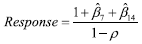 | (10) |
where the numeric subscripts refer to the number of lags. We also present the results for vaccination rate, weekly cases, and deaths. Finally, we include seasonal fixed effects to account for tourism impacts.
Table 2Behaviour regression results – GMI dependent variable DISPLAY Table
We begin our discussion by focusing on the estimated response coefficient rather than the immediate estimated elasticities. It is important to recall that the policy implemented by each country may not be optimal for reducing the spread of the virus; rather, it reflects the individual preferences of the policymaker’s and trade-off between the economy and the health of the country’s residents.
Interpreted through our behaviour-policy alignment premise (Hypothesis 1), the pattern that longer-run elasticities are typically smaller in absolute value than the instantaneous ones suggests that residents overreact on impact, but relax their response over the subsequent two-week period, which confirms Hypothesis 1 in terms of an incomplete and dynamically inconsistent response to policy – effectively mitigating the idiosyncratic component of the policy response, ή. Over time, that component regains influence, uncertainty rises, and the eventual response falls short of the initial adjustment. Both sets of estimates remain below the one-for-one benchmark, so the picture is one of incomplete compliance, with the key feature being decay from impact to the medium run rather than sustained alignment.
In Costa’s ( 2018) study of the equity premium puzzle, he finds that higher inflation is associated with a lower equity premium, consistent with myopic loss aversion operating through short-horizon evaluation of outcomes. The results emphasise that when individuals focus on short-run fluctuations, loss-averse responses are amplified relative to a longer-run perspective. In theCOVID context, this suggests that frequent, short-run updates on cases, deaths, or policy changes may have intensified behavioural responses compared to a setting where risks are evaluated over longer horizons.
The cross-country exceptions are informative, confirming Hypothesis 2. In Serbia, longer-run elasticities exceed the impact estimates (in absolute value), consistent with gradual adjustment, rational inattention, and/or present bias. Slovenia is the closest to the one-for-one benchmark on impact, yet the positive, significant coefficient on OxSI(−14) points to a behavioural reversal over a two-week horizon – plausibly tied to quarantine dynamics or policy salience – again indicating that initial alignment is not fully maintained. Overall, these patterns reconcile negative, statistically significant elasticities with sub-unity magnitudes: compliance is immediate, incomplete, and not durably sustained.
A plausible behavioural mechanism for this pattern is myopic loss aversion (MLA). In this framework, after a policy is announced, individuals evaluate outcomes over short horizons and overweigh the perceived losses from falling short relative to the gains from exact compliance. This induces a precautionary “buffer”; behaviour adjusts sharply on impact but at a level that is difficult to sustain. As the period immediately after the announcement passes and expectations are better understood, the buffer attenuates, leaving a smaller longer-run elasticity. This result suggests that immediate responses are amplified, but over time, they lengthen the subsequent response time, potentially reducing policy effectiveness as the policy matures.
The positive OxSI(−14) estimate for Slovenia is consistent with this overshoot-and-unwind dynamic, whereas Serbia’s larger longer-run elasticities suggest gradual adjustment driven more by adaptation costs than by loss-averse buffering. In Serbia’s case, MLA is “flipped”. Initial behavioural responses are relatively small and then become more aligned to policy restrictions as more information is collected. Therefore, in Serbia’s case, policy becomes more effective over longer time horizons.
Figure 2Smoothed results DISPLAY Figure
Figure 2 shows the smoothed relationship between estimated behaviour, that is behaviour explained by policy and actual behaviour in each of the countries – it is the difference between these two lines which represents the unobserved portion of behaviour. This illustrates policy response behaviour; the smaller the distance between these two lines, the greater its effectiveness. This figure illustrates that residents “overcompensated” their behaviour in the early stages of the pandemic, demonstrating a large degree of risk aversion as suggested by Hypothesis 1 and Hypothesis 3 in terms of uncertainty. During the middle stages, there appears to be a convergence of policy and behaviour. However, beginning in the first quarter of 2021, animal spirits took over and mobility expanded well beyond policymaker’s prescriptions, except for Slovenian residents, whose behaviour remained relatively aligned with regulations – discussed below.
Figure 3270 days rolling response elasticities using cases and deaths DISPLAY Figure
An alternative explanation could be that Serbians and Slovenians trust their government more than the other countries. According to the Wellcome Global Monitor (Welcome Trust, 2021), in 2020 57% of Serbians trusted their government while in B&H it was only 25%, for Croatia and Slovenia it was 42% and 48% respectively. These patterns may suggest that Serbian residents exhibited stronger medium-run behavioural alignment with policy measures after an initial adjustment period. Alternatively, in the aftermath of the demonstrations in Belgrade in July of 2020, Serbian policy makers reduced restrictions (see figure 1), and Serbs’ behaviour loosened relative to the new more relaxed policies. Third, Serb and Slovenian policy measures may have been more closely aligned with prevailing resident preferences.
To answer the question about how individual preferences changed over the course of the pandemic, we conducted 270-day rolling regressions of equation (3) for each country, presented in figure 3 using both cases and deaths as the COVID-19 information proxy. Changes in policy elasticities reflect residents’ changing attitudes as they become weary of restrictions and as they update their responses to the dynamics of the disease. For example, an overtightening of restrictions could lead to greater mobility as residents weigh the cost-benefit of the policy and decide the cost is too high vis-à-vis the benefit as suggested by Hypothesis 1 and 3.
We might expect the elasticities to be close to one during the initial stages of the pandemic. We do find that there is an immediate reaction to the policy, but, interestingly, within a matter of weeks residents increase their mobility beyond policymakers’ preferences. The only exception is in Bosnia in late 2020 and early 2021, which roughly coincides with the Delta variant of the disease. It was not due to a policy adjustment, as shown in figure 1, but rather a change in Bosnian behavioural responses to the disease, both when identified using cases and deaths.
Next, we estimate whether individuals’ preferences align with the desired behaviour dictated by policy stringency, that is, is ή l(0)? Results of the unit root tests can be found in table 3. We present the Studentized t-statistics for each of the tests. For the break tests, we provide the estimated break dates. If no break dates are tabulated, no statistically significant break date was estimated. Beginning with ADF results, we see that, across the board, ή ∼ l(0) over the full sample suggesting that policy and individual behaviour do converge over the entire sample period, which is roughly 700 days.
Table 3ADF and CMR one and two – break unit root tests DISPLAY Table
Because we find evidence of convergence across the sample, the CMR tests are more helpful in identifying specific dates where individual behaviour changed. Interestingly, the single-break test identifies significant structural breaks only in Croatia, Bosnia, and Serbia, while the two-break test reveals that two significant breaks occur only in B&H and Croatia. Importantly, the estimated break dates correspond more closely to national and religious holidays than to major identifiable policy changes – as in Hypothesis 2. This suggests that culturally salient collective events may play an important role in moderating behavioural adherence dynamics. In Bosnia the breaks correspond to Labour Day (1 May), Julian calendar Easter (2 May 2021) and the end of Ramadan (12 May 2021), in Croatia the breaks fall on the Gregorian Easter Holiday (4 April 2021) and the first week of school (6-10 September 2021), while in Serbia, the break corresponds with Julian Easter on 19 April 2020.
This interpretation is broadly consistent with evidence from the COVID-19 literature suggesting that behavioural responses during the early stages of the pandemic were strongly shaped by uncertainty, fear, and voluntary behavioural adjustment prior to formal policy intervention (Alfaro et al., 2020; Czeisler et al., 2021; Goolsbee and Syverson, 2021). Such dynamics may also suggest that the gradual convergence towards policy prescriptions may reflect evolving risk perceptions and behavioural adaptation over time.
Alternatively, residents may undershoot their behavioural adjustment. This can come from either high short-term information costs or rational inattention (Sims, 2003; Maćkowiak and Wiederholt, 2009). In the rational inattention framework, too much information and/or its frequency leads individuals to selectively “ignore” new policies because they face an information processing constraint. Consequently, individuals allocate attention selectively towards the subset of policy information perceived as most relevant. In either case – over- or undershooting – residents are making “rational mistakes” in response to frequent policy updates.
Differencesin population density, infrastructure, and cultural “norms”, as discussed in Best ( 2020), may contribute to cross-country differences in behavioural responses and policy outcomes in the region. Government responses also differed in both timing and levels of stringency, reflecting varying trade-offs between public health objectives and broader social, economic, and political considerations. Political incentives, voter preferences, and public opinion may also have influenced the formulation and implementation of pandemic policy across countries. Within our empirical framework, policy is treated as exogenously determined and reflects a trade-off between public health outcomes and broader economic costs.
6.1 Dynamic alignment analysis
While these tests can identify specific dates of changes in behaviour, these tests do not necessarily let us observe the evolution of behaviour as new information or policy becomes available day-to-day. Put another way, does policy confusion persist over time and do frequent policy announcements exacerbate confusion, per Hypothesis 3? To investigate more changes in behaviour we conduct rolling Augmented Dickey Fuller (ADF) unit root tests. We chose a rolling window of 270 days for each country and allow for a maximum of 14 days of lagged first differenced variables to control for serial correlation. The first window begins on 17 February 2020, and the last window begins on 21 May 2021 and should give us the necessary observations to have confidence in our estimates and to give sufficient time for individuals to adjust their behaviour either becoming more or less mobile than policy dictates. Also presented is the rejection rate of the null hypothesis of nonstationarity.
Figure 4270 days rolling ADF tests DISPLAY Figure
Results of the rolling unit root tests are in figures 4(a) – 4(d). The figures show the ADF − t statistic from each rolling unit root test and the horizontal red line is the 5% critical value, and again the first window is in February 2020. Periods when the ADF − t falls below the critical value are interpreted as periods when individual behaviour conforms to each country’s health policy – the shaded box is the percentage of the time in which individual mobility complies with policy recommendations relative to the entire sample, call this the “rate of compliance”. We find that over a 270 days window, residents of Slovenia complied with state policymakers 76% of the sample period, particularly in the second half of 2020. On the other hand, Croatian residents only did so 13% of the time and only between late 2020 and early 2021. A possible explanation for the differences lies in the Response estimates presented in table 2. Based on the compliance rates, we might expect Croatian Response estimates to be closer to zero than in Slovenia, which is what we find when using both cases and deaths.
A second reason is that for the shorter time required to comply with policies is that policymakers may better understand their constituents. If voters believe that policy is either too lax or restrictive, their own behaviour will deviate from recommendations.
6.2 Compliance period
Given the relatively low percentage of behavioural convergence over the 270-day window, we next estimate the number of days required to achieve a near 100% compliance rate. As an additional test for Hypothesis 3, we conduct a range of rolling window unit root tests beginning with a 90-day window and ending with 250 days. The results can be found in figure 5 and demonstrate the percentage of each window length for which ή ~ I(0). The vertical line indicates the 180-day rolling window. We find that residents of Slovenia meet a 100% compliance rate in about one-half of the year, followed by Croatia at 200 days. Both B&H and Serbia require an additional month or so to achieve full compliance. To put these results in perspective, using the same methodology Sonora and Gottwald-Belinić (2023) and Sonora (2024) find that US states and Western EU countries reach near 100% compliance in 365 and 225 days, respectively.
The observed slow convergence of behaviour towards benchmark responses suggests a persistent deviation from policy recommendations. While we have focused on an interpretation grounded in myopic loss aversion, whereby agents overweight recent policy signals and underweight accumulated information, alternative explanations may also account for relatively slow policy adherence dynamics. In particular, the patterns closely resemble those associated with pandemic fatigue and behavioural habituation. For example, using large-scale cross-country evidence, Petherick et al. ( 2021) document a gradual and widespread decline in adherence to high-cost protective behaviours during COVID-19, consistent with a form of fatigue in behavioural responses, alongside evidence of stabilisation and partial rebounds over time.
Figure 590 – 250 days rolling ADF rejection rate DISPLAY Figure
Complementary evidence using mobility data shows that the behavioural response to non-pharmaceutical interventions weakened over successive waves of the pandemic, suggesting a declining marginal responsiveness to repeated policy exposure (see, for example, Yilmazkuday, 2021). Taken together, this combination of attenuation and non-monotonic adjustment is consistent with a setting in which repeated exposure reduces behavioural responsiveness, even as new information continues to trigger short-run reactions. In this sense, the empirical patterns are consistent with both attention-based distortions, as emphasised by MLA, and a declining responsiveness arising from fatigue or habituation, implying that policy adherence may erode over time not only because agents misweigh information, but also because their responsiveness to that information diminishes with sustained exposure.
More broadly, the findings of this study align with several strands of the emerging literature on behavioural responses to pandemic policy. Consistent with Goolsbee and Syverson ( 2021) and Gupta et al. ( 2021), behavioural responses frequently diverged from the timing and intensity of formal policy interventions, suggesting that individual responses to uncertainty may evolve independently of official restrictions. Similarly, the observed attenuation in mobility responses over time is broadly consistent with evidence on pandemic fatigue and a laxening of adherence to high-cost protective behaviours documented by Petherick et al. ( 2021) and Yilmazkuday ( 2021). At the same time, the presence of country-specific structural breaks associated with national and religious holidays suggests that socially and culturally salient events may play an important moderating role in shaping behavioural adherence dynamics across institutional settings.
These results have two implications. First, in a fast-moving crisis, such as a pandemic, policymakers may face delays in behavioural adjustment during rapidly evolving crises. Second, these findings suggest that simpler and less frequently adjusted policy measures may reduce behavioural confusion and improve longerrun adherence during periods of crisis.
7 Summary
The COVID-19 pandemic has offered a unique lens through which to examine the intersection of public policy and individual behaviour in crisis settings. This study focused on mobility patterns and policy stringency in four former Yugoslavian countries – Bosnia and Herzegovina, Croatia, Serbia, and Slovenia – during the COVID-19 pandemic. By analysing mobility data and policy effectiveness, it became evident that the alignment of individual behaviour with policy recommendations is complex, occurring within differing social and institutional contexts.
The findings reveal that mobility behaviour does not immediately align with policy mandates. Initial responses showed significant over-compliance, driven by heightened anxiety and perceived risks. Over time, however, “animal spirits” emerged as individuals adapted, resulting in behaviours that diverged from prescribed measures. This divergence often reflects the evolving calculus of costs and benefits, with citizens weighing personal freedoms against public health concerns. Notably, this pattern was not uniform across countries, highlighting the critical role of localised social and political contexts.
Structural break tests and rolling regressions showed that behaviour eventually converges towards policy objectives over extended periods, though the rate and extent of compliance vary by country. Slovenia, for example, demonstrated relatively high adherence to policy, potentially consistent with higher institutional trust and differences in policy implementation. In contrast, Croatia exhibited lower compliance rates, which may be linked to its tourism-dependent economy and more lenient policy measures during key periods.
The analysis underscores the importance of designing policies that are not only clear and consistent but also aligned with public perceptions and societal preferences. Frequent policy shifts or overly stringent measures can erode public trust and lead to resistance, as observed in protests across the region. The findings also suggest that tensions between public health objectives and socio-economic considerations may influence long-run behavioural adherence.
Moreover, the study highlights the necessity of accounting for behavioural inertia and the time required for policy compliance to stabilise. In a rapidly evolving crisis, such as a pandemic, expectations of immediate compliance may be unrealistic. Instead, the results are broadly consistent with the view that simpler and clearer policy measures may reduce confusion and improve behavioural alignment over time.
The implications of this research extend beyond the pandemic context. Future crises, whether health-related or environmental, will similarly demand rapid policy responses and public cooperation. Lessons learned from the COVID-19 response in Southeast Europe emphasise the need for proactive communication strategies, trust building efforts, and policies that reflect the lived realities of diverse populations.
Finally, this study contributes to the growing body of literature on policy effectiveness under uncertainty. By linking mobility behaviour to policy stringency, it provides a framework for assessing the dynamic interplay between public policy and individual decision-making. Future research could explore these dynamics in other contexts, examining how different governance structures, policy endogeneity, and cultural factors influence compliance and outcomes. Such insights will be vital as governments prepare for inevitable future crises.
While this paper focuses on a specific event, the COVID-19 pandemic, the results of this research can be easily applied to other similar negative shocks and may provide useful insights for future policy design during periods of crisis. Researchers are already looking for the next pandemic to hit, as seen in Yong ( 2022), and health institutes, such as the CDC, have begun reconsidering their approach to promulgating clearer, more concise, and more definitive policy to avoid miscommunication and improve the signal-to-noise ratio.
Notes
* We would like to thank the participants of the weekly Brown Bag seminar at the Faculty of Economics at the University of Zagreb, as well as attendees of the seminar at the Institute of Public Finance, for their thoughtful comments and helpful feedback. We also appreciate comments from the editor and two anonymous referees which undoubtedly improved the quality of the paper. Finally, we are grateful to Katarina Ott for her valuable comments and encouragement in completing this paper.
1 For example, Hale (2021) identify four different types of COVID policies: economic support, containment and health, government stringency, and overall stringency.
2 Clearly this could be an AR(k), k ≥ 1, model, but we use an AR(1) representation to simplify the discussion.
3 We also tried a principle components approach. Because the correlation between the mean and principle component index was over 0.94 for all countries we chose to use the mean as the calculation is more transparent.
* We would like to thank the participants of the weekly Brown Bag seminar at the Faculty of Economics at the University of Zagreb, as well as attendees of the seminar at the Institute of Public Finance, for their thoughtful comments and helpful feedback. We also appreciate comments from the editor and two anonymous referees which undoubtedly improved the quality of the paper. Finally, we are grateful to Katarina Ott for her valuable comments and encouragement in completing this paper.
1 For example, Hale ( 2021) identify four different types of COVID policies: economic support, containment and health, government stringency, and overall stringency.
2 Clearly this could be an AR(k), k ≥ 1, model, but we use an AR(1) representation to simplify the discussion.
3 We also tried a principle components approach. Because the correlation between the mean and principle component index was over 0.94 for all countries we chose to use the mean as the calculation is more transparent.
Disclosure statement
The authors have no conflicts of interest to declare.
AI declaration
During the preparation of this manuscript, Claude, Gemini and ChatGPT were
used in the preparation of this document to format references, check the text for
grammatical errors and typos, and improve the language clarity of key sections.
The authors reviewed and edited any AI‑generated content as needed and take full
responsibility for the final manuscript.
References
Agyapon-Ntra, K. and McSharry, P. E., 2023. A global analysis of the effectiveness of policy responses to COVID-19. Scientific Reports, 13(1), 5629 [ CrossRef]
Alfaro, L. [et al.], 2020. Social interactions in pandemics: Fear, altruism, and reciprocity. NBER Working Paper, No. 27134 [ CrossRef]
Allcott, H. [et al.], 2020. Polarization and public health: Partisan differences in social distancing during the coronavirus pandemic. Journal of Public Economics, 191, 104254 [ CrossRef]
Angelini, E. [et al.], 2023. Modelling pandemic risks for policy analysis and forecasting. Economic Modelling, 120, 106162 [ CrossRef]
Bargain, O. and Aminjonov, U., 2020. Trust and compliance to public health policies in times of COVID-19. Journal of Public Economics, 192, 104316 [ CrossRef]
Barrios, J. M. and Hochberg, Y., 2020. Risk perception through the lens of politics in the time of the COVID-19 pandemic. NBER Working Paper, No. 27008 [ CrossRef]
BBC News, 2020. Coronavirus: Belgrade protesters storm Serb parliament over curfew. BBC News, 8 July.
Berg, J. E., Dickhaut, J. W. and Rietz, T. A., 2010. Preference reversals: The impact of truth-revealing monetary incentives. Games and Economic Behavior, 68(2), pp. 443-468 [ CrossRef]
Berg-Beckhoff, G. [et al.], 2022. Political stringency, infection rates, and higher education students’ adherence to government measures in the Nordic countries and the UK during the first wave of the COVID-19 outbreak. Preventive Medicine, 164, 107245 [ CrossRef]
Berry, C. R. [et al.], 2021. Evaluating the effects of shelter-in-place policies during the COVID-19 pandemic. Proceedings of the National Academy of Sciences, 118(15), e2019706118 [ CrossRef]
Best, J., 2020. The social problems of COVID-19. In: G. W. Muschert [et al.], eds. Social problems in the age of COVID-19: US perspectives. Bristol: Bristol University Press, pp. 134-142 [ CrossRef]
Brunekreef, J. [et al.], 2025. Impact of adherence and stringency on the effectiveness of lockdown measures: A modelling study. PLOS One, 20(12), e0338818 [ CrossRef]
Cairney, P. and Wellstead, A., 2020. COVID-19: Effective policymaking depends on trust in experts, politicians, and the public. Policy Design and Practice, 4(1), pp. 1-14 [ CrossRef]
Capano, G. [et al.], 2020. Mobilizing Policy (In)Capacity to Fight COVID-19: Understanding Variations in State Responses. Policy and Society, 39(3), pp. 285-308 [ CrossRef]
Chen, D., Li, Y. and Wu, J., 2022. Policy Stringency, Political Conditions, and Public Performances of Pandemic Control: An International Comparison. Public Performance & Management Review, 45(4), pp. 916-939 [ CrossRef]
Chen, S. [et al.], 2021. Effective COVID-19 Control: A Comparative Analysis of the Stringency and Timeliness of Government Responses in Asia. International Journal of Environmental Research and Public Health, 18(16), 8686 [ CrossRef]
Clemente Lopez, J., Montañés, A. and Reyes, M., 1998. Testing for a unit root in variables with a double change in the mean. Economics Letters, 59(2), pp. 175-182 [ CrossRef]
Costa, R. B., 2018. A Systematic Test for Myopic Loss Aversion Theory. Review of Behavioral Finance, 10(4), pp. 320-335 [ CrossRef]
Cross, M., Ng, S.-K. and Scuffham, P., 2020. Trading Health for Wealth: The Effect of COVID-19 Response Stringency. International Journal of Environmental Research and Public Health, 17(23), 8725 [ CrossRef]
Czeisler, M. E. [et al.], 2021. Early public adherence with and support for stay-at-home COVID-19 mitigation strategies despite adverse life impact: A transnational cross-sectional survey study in the United States and Australia. BMC Public Health, 21, 503 [ CrossRef]
Dartford, K., 2021. Serbia inoculates neighbours as other Balkan countries receive doses of China's vaccine. Euronews, 28 March.
Dave, D. [et al.], 2021. When Do Shelter‐in‐Place Orders Fight Covid‐19 Best? Policy Heterogeneity Across States and Adoption Time. Economic Inquiry, 59(1), pp. 29-52 [ CrossRef]
Desson, Z. [et al.], 2020. An analysis of the policy responses to the COVID-19 pandemic in France, Belgium, and Canada. Health Policy and Technology, 9(4), pp. 430-446 [ CrossRef]
Fojnica, A. [et al.], 2021. Lack of Lockdown, Open Borders, and No Vaccination in Sight: Is Bosnia and Herzegovina a Control Group? Preprint, Public and Global Health [ CrossRef]
Fuller, J. A. [et al.], 2021. Mitigation Policies and COVID-19–Associated Mortality—37 European Countries, January 23–June 30, 2020. MMWR. Morbidity and Mortality Weekly Report, 70(2), pp. 58-62 [ CrossRef]
Goolsbee, A. and Syverson, C., 2021. Fear, lockdown, and diversion: Comparing drivers of pandemic economic decline 2020. Journal of Public Economics, 193, 104311 [ CrossRef]
Gupta, S. [et al.], 2021. Tracking public and private responses to the COVID-19 epidemic: Evidence from state and local government actions. A merican Journal of Health Economics, 7(4) [ CrossRef]
Hale, T., 2021. A global panel database of pandemic policies (Oxford COVID-19 Government Response Tracker). Nature Human Behaviour, 5(4), pp. 529-538 [ CrossRef]
Herreros, F. and Svendsen, G. T., 2024. Social trust and the stringency of public policies against the COVID-19 pandemic. European Politics and Society, 25(5), pp. 866-885 [ CrossRef]
Hsiang, S. [et al.], 2020. The effect of large-scale anti-contagion policies on the COVID-19 pandemic. Nature, 584(7820), pp. 262-267 [ CrossRef]
Jalloh, M. F. [et al.], 2022. Drivers of COVID-19 policy stringency in 175 countries and territories: COVID-19 cases and deaths, gross domestic products per capita, and health expenditures. Journal of Global Health, 12, 05049 [ CrossRef]
Kriesi, H. and Oana, I.-E., 2023. Protest in unlikely times: Dynamics of collective mobilization in Europe during the COVID-19 crisis. Journal of European Public Policy, 30(4), pp. 740-765 [ CrossRef]
Kuo, F.-Y. and Wen, T.-H., 2023. Assessing the impact of local context and priorities regarding domestic disease outbreaks and imported risk on early pandemic response: Cross-continental comparisons. Frontiers in Public Health, 11, 1147768 [ CrossRef]
Lazić, N., Lazić, V. and Kolarić, B., 2020. Prva tri mjeseca COVID-19 u Hrvatskoj, Sloveniji, Srbiji i Federaciji Bosne i Hercegovine – komparativna analiza mjera za suzbijanje bolesti. Infektološki glasnik, 40(2), pp. 43-49 [ CrossRef]
Luciano, F., Crova, F. and Canella, F., 2023. COVID-19 Containment Measures—a Step Back for Walking Mobility? A 2-Year, 60-Country Analysis of the Apple Mobility Data. Journal of Physical Activity and Health, 20(5), pp. 394-401 [ CrossRef]
Maćkowiak, B. and Wiederholt, M., 2009. Optimal Sticky Prices under Rational Inattention. American Economic Review, 99(3), pp. 769-803 [ CrossRef]
Milinković, I., 2021. Extraordinary measures in extraordinary times: Legal response to the COVID-19 crisis in Bosnia and Herzegovina. Medicine, Law & Society, 14(2), pp. 439-456 [ CrossRef]
O’Donoghue, T. and Rabin, M., 1999. Doing it now or later. The American Economic Review, 89(1), pp. 103-124 [ CrossRef]
Pagliaro, S. [et al.], 2021. Trust predicts COVID-19 prescribed and discretionary behavioral intentions in 23 countries. PLOS ONE, 16(3), e0248334 [ CrossRef]
Petherick, A. [et al.], 2021. A worldwide assessment of changes in adherence to COVID-19 protective behaviours and hypothesized pandemic fatigue. Nature Human Behaviour, 5(9), pp. 1145-1160 [ CrossRef]
Poletti, P., Ajelli, M. and Merler, S., 2011. The effect of risk perception on the 2009 H1N1 pandemic influenza dynamics. PLOS ONE, 6(2) [ CrossRef]
Reuters, 2021. Bosnians protest, telling government to resign over lack of COVID vaccines. Reuters, 6 April, 2021.
Ružić Gorenjec, N. [et al.], 2021. COVID-19 in Slovenia, from a success story to disaster: What lessons can be learned? Life, 11(10), 1045 [ CrossRef]
Sajić, N., 2021. Federal institutional design and the COVID-19 crisis management in Bosnia and Herzegovina. In: I. Miljenović and E. Hrelja, eds. Federalism and the response to COVID-19: A comparative analysis. Routledge, pp. 49-58.
Schwert, G. W., 1989. Tests for unit roots: A Monte Carlo investigation. Journal of Business & Economic Statistics, 7(2), pp. 147-160 [ CrossRef]
Sims, C. A., 2003. Implications of rational inattention. Journal of Monetary Economics, 50(3), pp. 665-690 [ CrossRef]
Sonora, R. J. and Gottwald-Belinić, M., 2023. Does individual behavior converge to policy recommendations in times of pandemic? Evidence from COVID-19 in US states. EFZG Working Paper Series, No. 23-04.
Sonora, R. J., 2023. Estimates of a ‘Pandemic Taylor rule’ loss function. Applied Economics Letters, 30(15), pp. 2040-2045 [ CrossRef]
Sulyok, M. and Walker, M., 2020. Community movement and COVID-19: A global study using Google’s Community Mobility Reports. Epidemiology and Infection, 148, e284 [ CrossRef]
Thaler, R. H. [et al.], 1997. The effect of myopia and loss aversion on risk taking: An experimental test. The Quarterly Journal of Economics, 112(2), pp. 647-661 [ CrossRef]
Tiebout, C., 1956. A pure theory of local expenditures. Journal of Political Economy, 64(5), pp. 416-424 [ CrossRef]
Toshkov, D., Carroll, B. and Yesilkagit, K., 2022. Government capacity, societal trust or party preferences: What accounts for the variety of national policy responses to the COVID-19 pandemic in Europe? Journal of European Public Policy, 29(7), pp. 1009-1028 [ CrossRef]
Tu, K., Chen, S. and Mesler, R. M., 2023. Policy stringency and the spread of COVID-19: The moderating role of culture and its implications on first responses. Health Policy, 137, 104896104896 [ CrossRef]
Uzelac, M., 2023. Using the pandemic for their own gain: The experiences of COVID in Serbia. Anthropologica, 65(1), pp. 1-23 [ CrossRef]
Vlada RH, 2020. Božinović: Croatia is safe and one of few countries that will have tourism season . Vlada RH, June 17, 2020.
Walker, P. G. T. [et al.], 2020. The impact of COVID-19 and strategies for mitigation and suppression in low- and middle-income countries. Science, 369(6502), pp. 413-422 [ CrossRef]
Waterschoot, J. [et al.], 2023. How the Stringency of the COVID-19 Restrictions Influences Motivation for Adherence and Well-Being: The Critical Role of Proportionality. International Journal of Health Policy and Management, 12(1), pp. 1-13 [ CrossRef]
Yilmazkuday, H., 2021. Stay-at-home works to fight against COVID-19: International evidence from Google mobility data. Journal of Human Behavior in the Social Environment, 31(1-4), pp. 210-220 [ CrossRef]
Agyapon-Ntra, K. and McSharry, P. E., 2023. A global analysis of the effectiveness of policy responses to COVID-19. Scientific Reports, 13(1), 5629 [ CrossRef]
Alfaro, L. [et al.], 2020. Social interactions in pandemics: Fear, altruism, and reciprocity. NBER Working Paper, No. 27134 [ CrossRef]
Allcott, H. [et al.], 2020. Polarization and public health: Partisan differences in social distancing during the coronavirus pandemic. Journal of Public Economics, 191, 104254 [ CrossRef]
Angelini, E. [et al.], 2023. Modelling pandemic risks for policy analysis and forecasting. Economic Modelling, 120, 106162 [ CrossRef]
Bargain, O. and Aminjonov, U., 2020. Trust and compliance to public health policies in times of COVID-19. Journal of Public Economics, 192, 104316 [ CrossRef]
Barrios, J. M. and Hochberg, Y., 2020. Risk perception through the lens of politics in the time of the COVID-19 pandemic. NBER Working Paper, No. 27008 [ CrossRef]
BBC News, 2020. Coronavirus: Belgrade protesters storm Serb parliament over curfew. BBC News, 8 July.
Berg, J. E., Dickhaut, J. W. and Rietz, T. A., 2010. Preference reversals: The impact of truth-revealing monetary incentives. Games and Economic Behavior, 68(2), pp. 443-468 [ CrossRef]
Berg-Beckhoff, G. [et al.], 2022. Political stringency, infection rates, and higher education students’ adherence to government measures in the Nordic countries and the UK during the first wave of the COVID-19 outbreak. Preventive Medicine, 164, 107245 [ CrossRef]
Berry, C. R. [et al.], 2021. Evaluating the effects of shelter-in-place policies during the COVID-19 pandemic. Proceedings of the National Academy of Sciences, 118(15), e2019706118 [ CrossRef]
Best, J., 2020. The social problems of COVID-19. In: G. W. Muschert [et al.], eds. Social problems in the age of COVID-19: US perspectives. Bristol: Bristol University Press, pp. 134-142 [ CrossRef]
Brunekreef, J. [et al.], 2025. Impact of adherence and stringency on the effectiveness of lockdown measures: A modelling study. PLOS One, 20(12), e0338818 [ CrossRef]
Cairney, P. and Wellstead, A., 2020. COVID-19: Effective policymaking depends on trust in experts, politicians, and the public. Policy Design and Practice, 4(1), pp. 1-14 [ CrossRef]
Capano, G. [et al.], 2020. Mobilizing Policy (In)Capacity to Fight COVID-19: Understanding Variations in State Responses. Policy and Society, 39(3), pp. 285-308 [ CrossRef]
Chen, D., Li, Y. and Wu, J., 2022. Policy Stringency, Political Conditions, and Public Performances of Pandemic Control: An International Comparison. Public Performance & Management Review, 45(4), pp. 916-939 [ CrossRef]
Chen, S. [et al.], 2021. Effective COVID-19 Control: A Comparative Analysis of the Stringency and Timeliness of Government Responses in Asia. International Journal of Environmental Research and Public Health, 18(16), 8686 [ CrossRef]
Clemente Lopez, J., Montañés, A. and Reyes, M., 1998. Testing for a unit root in variables with a double change in the mean. Economics Letters, 59(2), pp. 175-182 [ CrossRef]
Costa, R. B., 2018. A Systematic Test for Myopic Loss Aversion Theory. Review of Behavioral Finance, 10(4), pp. 320-335 [ CrossRef]
Cross, M., Ng, S.-K. and Scuffham, P., 2020. Trading Health for Wealth: The Effect of COVID-19 Response Stringency. International Journal of Environmental Research and Public Health, 17(23), 8725 [ CrossRef]
Czeisler, M. E. [et al.], 2021. Early public adherence with and support for stay-at-home COVID-19 mitigation strategies despite adverse life impact: A transnational cross-sectional survey study in the United States and Australia. BMC Public Health, 21, 503 [ CrossRef]
Dartford, K., 2021. Serbia inoculates neighbours as other Balkan countries receive doses of China's vaccine. Euronews, 28 March.
Dave, D. [et al.], 2021. When Do Shelter‐in‐Place Orders Fight Covid‐19 Best? Policy Heterogeneity Across States and Adoption Time. Economic Inquiry, 59(1), pp. 29-52 [ CrossRef]
Desson, Z. [et al.], 2020. An analysis of the policy responses to the COVID-19 pandemic in France, Belgium, and Canada. Health Policy and Technology, 9(4), pp. 430-446 [ CrossRef]
Fojnica, A. [et al.], 2021. Lack of Lockdown, Open Borders, and No Vaccination in Sight: Is Bosnia and Herzegovina a Control Group? Preprint, Public and Global Health [ CrossRef]
Fuller, J. A. [et al.], 2021. Mitigation Policies and COVID-19–Associated Mortality—37 European Countries, January 23–June 30, 2020. MMWR. Morbidity and Mortality Weekly Report, 70(2), pp. 58-62 [ CrossRef]
Goolsbee, A. and Syverson, C., 2021. Fear, lockdown, and diversion: Comparing drivers of pandemic economic decline 2020. Journal of Public Economics, 193, 104311 [ CrossRef]
Gupta, S. [et al.], 2021. Tracking public and private responses to the COVID-19 epidemic: Evidence from state and local government actions. A merican Journal of Health Economics, 7(4) [ CrossRef]
Hale, T., 2021. A global panel database of pandemic policies (Oxford COVID-19 Government Response Tracker). Nature Human Behaviour, 5(4), pp. 529-538 [ CrossRef]
Herreros, F. and Svendsen, G. T., 2024. Social trust and the stringency of public policies against the COVID-19 pandemic. European Politics and Society, 25(5), pp. 866-885 [ CrossRef]
Hsiang, S. [et al.], 2020. The effect of large-scale anti-contagion policies on the COVID-19 pandemic. Nature, 584(7820), pp. 262-267 [ CrossRef]
Jalloh, M. F. [et al.], 2022. Drivers of COVID-19 policy stringency in 175 countries and territories: COVID-19 cases and deaths, gross domestic products per capita, and health expenditures. Journal of Global Health, 12, 05049 [ CrossRef]
Kriesi, H. and Oana, I.-E., 2023. Protest in unlikely times: Dynamics of collective mobilization in Europe during the COVID-19 crisis. Journal of European Public Policy, 30(4), pp. 740-765 [ CrossRef]
Kuo, F.-Y. and Wen, T.-H., 2023. Assessing the impact of local context and priorities regarding domestic disease outbreaks and imported risk on early pandemic response: Cross-continental comparisons. Frontiers in Public Health, 11, 1147768 [ CrossRef]
Lazić, N., Lazić, V. and Kolarić, B., 2020. Prva tri mjeseca COVID-19 u Hrvatskoj, Sloveniji, Srbiji i Federaciji Bosne i Hercegovine – komparativna analiza mjera za suzbijanje bolesti. Infektološki glasnik, 40(2), pp. 43-49 [ CrossRef]
Luciano, F., Crova, F. and Canella, F., 2023. COVID-19 Containment Measures—a Step Back for Walking Mobility? A 2-Year, 60-Country Analysis of the Apple Mobility Data. Journal of Physical Activity and Health, 20(5), pp. 394-401 [ CrossRef]
Maćkowiak, B. and Wiederholt, M., 2009. Optimal Sticky Prices under Rational Inattention. American Economic Review, 99(3), pp. 769-803 [ CrossRef]
Milinković, I., 2021. Extraordinary measures in extraordinary times: Legal response to the COVID-19 crisis in Bosnia and Herzegovina. Medicine, Law & Society, 14(2), pp. 439-456 [ CrossRef]
O’Donoghue, T. and Rabin, M., 1999. Doing it now or later. The American Economic Review, 89(1), pp. 103-124 [ CrossRef]
Pagliaro, S. [et al.], 2021. Trust predicts COVID-19 prescribed and discretionary behavioral intentions in 23 countries. PLOS ONE, 16(3), e0248334 [ CrossRef]
Petherick, A. [et al.], 2021. A worldwide assessment of changes in adherence to COVID-19 protective behaviours and hypothesized pandemic fatigue. Nature Human Behaviour, 5(9), pp. 1145-1160 [ CrossRef]
Poletti, P., Ajelli, M. and Merler, S., 2011. The effect of risk perception on the 2009 H1N1 pandemic influenza dynamics. PLOS ONE, 6(2) [ CrossRef]
Reuters, 2021. Bosnians protest, telling government to resign over lack of COVID vaccines. Reuters, 6 April, 2021.
Ružić Gorenjec, N. [et al.], 2021. COVID-19 in Slovenia, from a success story to disaster: What lessons can be learned? Life, 11(10), 1045 [ CrossRef]
Sajić, N., 2021. Federal institutional design and the COVID-19 crisis management in Bosnia and Herzegovina. In: I. Miljenović and E. Hrelja, eds. F ederalism and the response to COVID-19: A comparative analysis. Routledge, pp. 49-58.
Schwert, G. W., 1989. Tests for unit roots: A Monte Carlo investigation. Journal of Business & Economic Statistics, 7(2), pp. 147-160 [ CrossRef]
Sims, C. A., 2003. Implications of rational inattention. Journal of Monetary Economics, 50(3), pp. 665-690 [ CrossRef]
Sonora, R. J. and Gottwald-Belinić, M., 2023. Does individual behavior converge to policy recommendations in times of pandemic? Evidence from COVID-19 in US states. EFZG Working Paper Series, No. 23-04.
Sonora, R. J., 2023. Estimates of a ‘Pandemic Taylor rule’ loss function. Applied Economics Letters, 30(15), pp. 2040-2045 [ CrossRef]
Sulyok, M. and Walker, M., 2020. Community movement and COVID-19: A global study using Google’s Community Mobility Reports. Epidemiology and Infection, 148, e284 [ CrossRef]
Thaler, R. H. [et al.], 1997. The effect of myopia and loss aversion on risk taking: An experimental test. The Quarterly Journal of Economics, 112(2), pp. 647-661 [ CrossRef]
Tiebout, C., 1956. A pure theory of local expenditures. Journal of Political Economy, 64(5), pp. 416-424 [ CrossRef]
Toshkov, D., Carroll, B. and Yesilkagit, K., 2022. Government capacity, societal trust or party preferences: What accounts for the variety of national policy responses to the COVID-19 pandemic in Europe? Journal of European Public Policy, 29(7), pp. 1009-1028 [ CrossRef]
Tu, K., Chen, S. and Mesler, R. M., 2023. Policy stringency and the spread of COVID-19: The moderating role of culture and its implications on first responses. Health Policy, 137, 104896104896 [ CrossRef]
Uzelac, M., 2023. Using the pandemic for their own gain: The experiences of COVID in Serbia. Anthropologica, 65(1), pp. 1-23 [ CrossRef]
Vlada RH, 2020. Božinović: Croatia is safe and one of few countries that will have tourism season . Vlada RH, June 17, 2020.
Walker, P. G. T. [et al.], 2020. The impact of COVID-19 and strategies for mitigation and suppression in low- and middle-income countries. Science, 369(6502), pp. 413-422 [ CrossRef]
Waterschoot, J. [et al.], 2023. How the Stringency of the COVID-19 Restrictions Influences Motivation for Adherence and Well-Being: The Critical Role of Proportionality. International Journal of Health Policy and Management, 12(1), pp. 1-13 [ CrossRef]
Yilmazkuday, H., 2021. Stay-at-home works to fight against COVID-19: International evidence from Google mobility data. Journal of Human Behavior in the Social Environment, 31(1-4), pp. 210-220 [ CrossRef]
|